Trust Is the Most Expensive Risk in Crop Trading And the Least Measured
May 31, 2026 • 5 min read
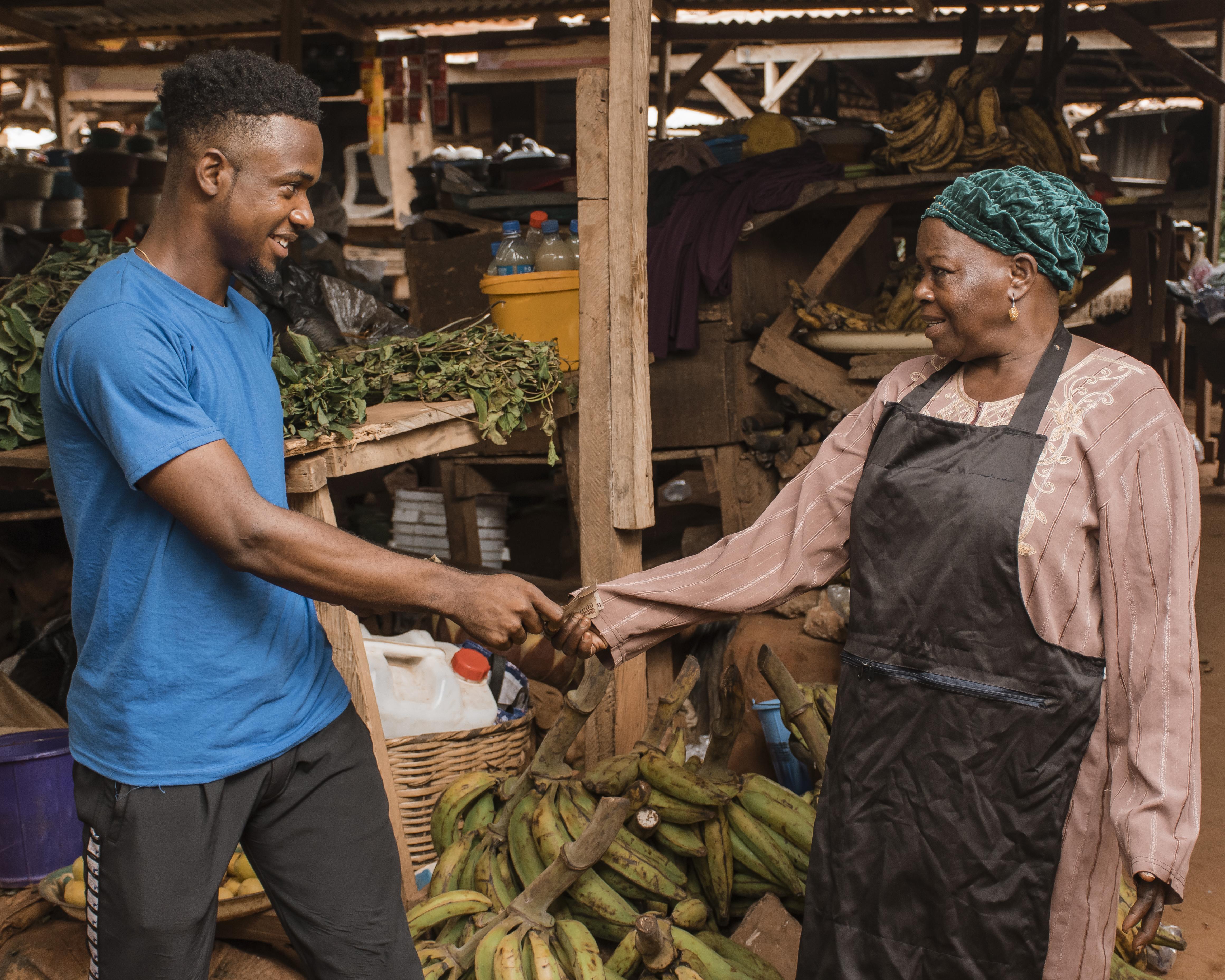
In crop trading, trust moves faster than paperwork.
Deals are agreed on phone calls. Volumes are confirmed verbally. Delivery timelines are “understood.” Payments are expected to follow. For years, this informal trust-based system has kept markets moving.
But it has also made risk invisible.
Most losses in crop trading are not caused by bad intentions. They are caused by trust that was never clearly defined, documented, or protected.
Where Trust Enters the Trade
Trust appears early in the trading process.
A trader trusts that:
the supplier will deliver the agreed volume
the quality will meet expectations
the buyer will pay on time
A buyer trusts that:
the trader understands specifications
delivery timelines will be respected
issues will be communicated early
These expectations often feel reasonable. After all, markets depend on relationships. But when trust replaces clarity, risk multiplies quietly.
The Problem With Verbal Certainty
Verbal agreements create speed, but they also create ambiguity.
When things go well, verbal trust feels efficient.
When things go wrong, there is no reference point.
Questions begin to surface:
Who was responsible for quality checks?
Who absorbed losses during delays?
Who approved changes in price or volume?
Without documented expectations, accountability becomes subjective. Each party remembers the agreement differently.
How Trust Turns Into Risk
Trust becomes expensive when it hides risk instead of managing it.
Common outcomes include:
delayed payments with no agreed penalties
rejected loads with unclear responsibility
renegotiated prices after delivery
disputes that damage long-term relationships
In many cases, the loss is not just financial. It is reputational. A single failed trade can close doors that took years to open.
Why Informality Persists
Despite these risks, informal trust remains dominant.
Why?
Contracts feel slow
Documentation feels complicated
Markets reward speed
But speed without structure transfers risk to the weakest party in the trade. Often, that risk sits with traders and aggregators who have already committed capital and logistics.
Rethinking Trust as a System
Trust does not have to disappear for markets to mature.
It needs to be supported by structure.
This means:
clear expectations before movement begins
shared understanding of quality and delivery standards
visibility into who is responsible at each stage
agreed processes for handling deviations
When trust is reinforced by systems, it becomes durable instead of fragile.
From Personal Trust to Institutional Trust
Personal relationships will always matter in crop trading.
But they do not scale.
Sustainable markets rely on institutional trust built into processes, information flows, and accountability frameworks.
This shift reduces disputes, protects working capital, and allows traders to grow without multiplying personal risk.
Ecosystems like CropSupply are designed around this transition moving markets from reliance on memory and goodwill to systems that make expectations visible and verifiable.